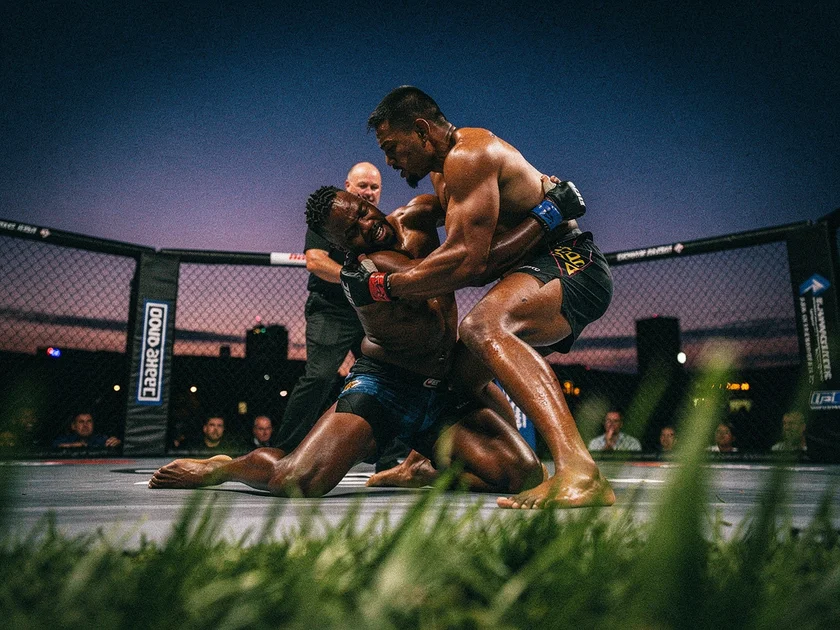
UFC drug testing USADA oversight ranks among the most debated structural issues in mixed martial arts heading into the second quarter of 2026. The UFC partnered with the United States Anti-Doping Agency from 2015 until mid-2023, then moved to a new platform — a shift that keeps shaping how fighters, promoters, and regulators approach clean competition inside the octagon.
Three years of rapid structural change have produced more reform than the prior decade combined. That pace carries real consequences for fighters managing title timelines and return windows.
How USADA Built Modern MMA Anti-Doping
The UFC’s anti-doping program under USADA launched in July 2015. It was the most aggressive testing regime in professional combat sports at that time. USADA ran year-round, out-of-competition testing for all UFC-contracted athletes, with a mandatory six-month whereabouts requirement before competition. At peak volume, the UFC reported over 2,500 tests conducted annually — one of the highest totals in American professional sports.
Between 2015 and 2023, the UFC-USADA program logged more than 60 anti-doping violations. Suspensions ranged from six months for contaminated supplement cases to four-year bans for deliberate doping. High-profile cases involving former champions forced the UFC to confront how enforcement intersected with its pay-per-view schedule. A fighter banned six months before a title fight does not just lose income — an entire PPV card may need restructuring.
The UFC’s departure from USADA in 2023 drew sharp criticism from clean-sport advocates, who argued the replacement organization lacked institutional independence. The UFC countered that the new administrator offered a faster appeals process and quicker case resolution. Both arguments carry weight, and available data suggest the debate is far from closed.
What Changed When UFC Testing Left USADA?
Drug Free Sport International — known as DFSI — took over in July 2023 and altered the testing landscape in several measurable ways. Under DFSI, fighters who had spent at least six months in the registered testing pool became eligible to compete. That replaced the old USADA rule requiring six months of clean test results. The change cleared a backlog of ranked athletes held out by administrative delays rather than confirmed violations.
DFSI operates testing programs for multiple professional sports organizations. Its MMA-specific protocols were largely modeled on the USADA framework the UFC used for eight years. The core structural difference involves adjudication. USADA used an independent arbitration process aligned with the World Anti-Doping Agency code. DFSI’s resolution process runs under a separate framework that critics argue gives the UFC more indirect influence over case outcomes.
Publicly disclosed anti-doping violations in the UFC dropped noticeably in the 18 months after the USADA transition. Clean-sport advocates credit reduced testing frequency. UFC officials point to improved fighter education and supplement certification programs. Based on available data, neither explanation fully accounts for the shift. Independent verification is difficult because DFSI does not publish the same volume of testing statistics that USADA released during its eight-year UFC tenure.
The UFC’s USADA era produced a publicly searchable violation database. Media, fighters, and fans could track case outcomes in near-real time. That level of transparency has not been replicated under the current system. State athletic commissions in Nevada, California, and New York have flagged that gap in recent licensing discussions — a pressure point that may force greater public reporting in 2026.
Current Anti-Doping Landscape and Fighter Impact
UFC anti-doping enforcement in early 2026 runs under DFSI protocols, with the UFC’s internal athlete performance program handling parallel compliance education. Fighters across all weight classes face both in-competition and out-of-competition testing, though frequency and whereabouts standards differ from the USADA era.
Compliance directly shapes fight card placement for ranked contenders. A short suspension tied to a tainted supplement can cost a top-five fighter 12 to 18 months of ranking momentum in a deep division. The UFC’s internal rankings panel does not freeze a fighter’s position during a ban. A six-month absence in lightweight or welterweight — two of the most active weight classes — can drop a contender several spots by the time they return.
Elite fighters now invest heavily in third-party supplement certification — programs like NSF Certified for Sport and Informed Sport — precisely because the fallout from a positive test extends well beyond the ban itself. Sponsorship deals, broadcast agreements, and promotional contracts typically include anti-doping clauses. A single violation can trigger all three at once, compounding financial damage far beyond any suspension period.
UFC drug testing USADA comparisons will keep surfacing as long as DFSI’s reporting standards lag behind what USADA provided. The practical stakes are high: fighters, managers, and athletic commissions all rely on transparent data to make informed decisions about licensing, matchmaking, and contract terms. Opacity in anti-doping administration does not just damage credibility — it creates real scheduling and legal exposure for everyone connected to a fight card.
Key Developments in UFC Anti-Doping Policy
- The UFC-USADA partnership ran from July 2015 through mid-2023, covering eight-plus years of year-round testing; the program conducted over 2,500 tests annually at peak volume, one of the highest totals in American pro sports.
- DFSI replaced USADA as UFC’s anti-doping administrator in July 2023 — the first change in the program’s governing body since its 2015 launch.
- The six-month clean-testing window required under USADA was replaced by a six-month testing-pool enrollment standard under DFSI, immediately freeing several ranked fighters from administrative holds.
- More than 60 violations were recorded under the UFC-USADA program from 2015 to 2023, with bans ranging from six months to four years based on substance type and intent findings.
- Nevada, California, and New York athletic commissions have flagged DFSI’s reduced public reporting in recent licensing discussions, a pressure point that may force greater transparency in 2026.
What UFC Anti-Doping Policy Means for Fighters Going Forward
UFC anti-doping policy in 2026 sits between institutional credibility and operational flexibility. The DFSI framework gives the promotion more scheduling agility — fighters are held out by administrative delays less often than under USADA — but that agility comes at a cost to the program’s perceived independence. Whether that tradeoff serves the sport’s long-term health is a question the UFC has not answered publicly.
For competitors on upcoming Fight Night cards and PPV events, the practical reality is direct. Every substance entering the body carries regulatory risk. Third-party certification, careful supplement records, and active communication with the DFSI testing pool are baseline requirements for any athlete protecting a long-term career. The UFC’s broadcast partners have a commercial interest in clean competition — contaminated cards and high-profile bans damage the product for everyone involved.
UFC drug testing debates will likely intensify if DFSI does not raise its public reporting standards in the months ahead. External pressure from state commissions, broadcast partners, or fighter advocacy groups may yet push the UFC toward restoring the transparency level that USADA provided. The sport’s credibility in anti-doping depends on that accountability being visible, not just claimed.
Why did the UFC stop using USADA for drug testing?
The UFC moved from USADA to Drug Free Sport International in mid-2023, citing a more fighter-friendly appeals process and faster case resolution under DFSI. Critics argued the move cut institutional independence, since USADA operated under World Anti-Doping Agency code alignment while DFSI functions under a separate adjudication framework. The UFC disputed that view, pointing to improved fighter education and supplement certification as proof of continued anti-doping commitment.
How long were fighters suspended under the UFC USADA program?
Suspension lengths under the UFC-USADA program depended on the substance and the adjudicated level of intent. Contaminated supplement cases with no intentional doping finding typically drew six-month bans. Confirmed use of prohibited performance-enhancing substances carried two-year suspensions under the WADA code. Aggravated violations — including deliberate doping or obstruction — brought four-year bans. Across the program’s eight-year run, fighters from every weight class faced sanctions, with some cases requiring full arbitration hearings that lasted several months.
What is DFSI and how does it differ from USADA?
Drug Free Sport International is a Kansas City-based anti-doping organization that administers testing for multiple professional sports leagues and collegiate conferences. Unlike USADA — a federally recognized national anti-doping authority aligned with WADA — DFSI operates as a private contractor. For UFC athletes, the key practical difference is the appeals and adjudication process: DFSI does not follow the full WADA code framework that governed disputes during the USADA era, and its case outcomes are not published in the same searchable public database format.
Do UFC fighters still get tested out of competition in 2026?
Yes. Under the current DFSI-administered program, UFC contracted fighters face both in-competition and out-of-competition testing. Fighters must register location information with DFSI, but the filing windows and missed-test consequences are governed by DFSI’s internal code rather than the WADA whereabouts rule that applied under USADA. Athletes who miss multiple tests in a 12-month window can face the same sanctions as a positive test result.
How do anti-doping suspensions affect UFC rankings?
The UFC’s internal rankings panel does not formally freeze a fighter’s position during a suspension. In active weight classes like lightweight, welterweight, or bantamweight — where the top 15 shift frequently — a six-month ban can drop a contender multiple spots. Beyond rankings, suspended fighters also forfeit any title eliminator bouts already agreed upon, since the UFC books available opponents rather than holding slots open. Managers typically estimate a 12-to-18-month total setback when accounting for both the ban and the time needed to rebuild ranking position after returning.