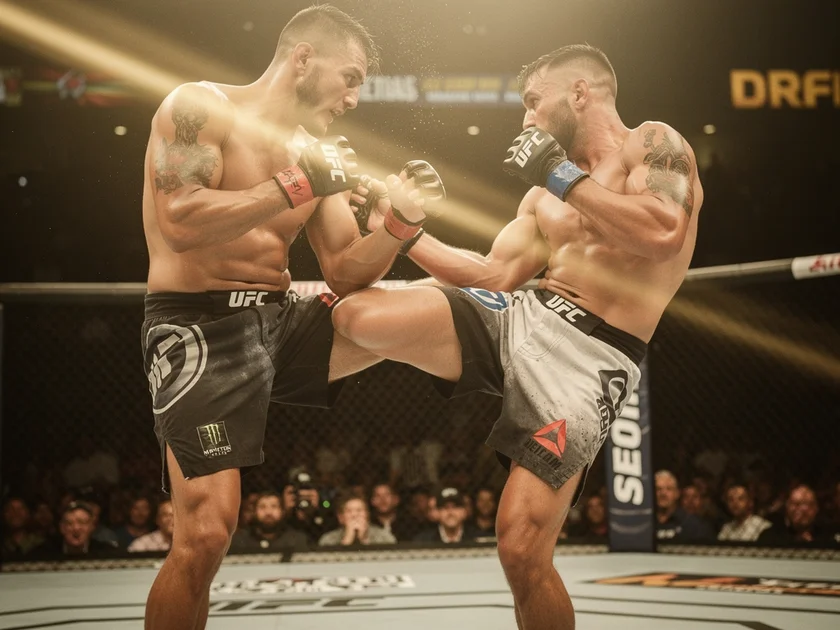
UFC drug testing USADA enforcement has defined fighter careers, title shots, and promotional credibility since the partnership launched in 2015. As of March 2026, the anti-doping program — now run through Drug Free Sport Axis after the UFC parted ways with USADA in mid-2023 — draws scrutiny over whereabouts rules, therapeutic use exemptions, and slow case timelines.
The numbers carry weight. More than 60 fighters have been suspended since the program began. Violations range from anabolic steroid metabolites to tainted supplements. The 2023 switch to a new administrator changed the oversight model, though the UFC kept WADA’s prohibited substance list as its baseline standard.
How the USADA Era Built Today’s Framework
The UFC’s original deal with USADA ran from July 2015 through mid-2023. It set year-round, out-of-competition testing as the sport’s benchmark. Before that deal, mixed martial arts had no unified anti-doping structure. State athletic commissions tested fighters only on fight night, leaving the off-season wide open.
USADA brought registered testing pools, whereabouts filing duties, and a formal adjudication process that mirrored Olympic-sport standards. Over that eight-year stretch, the program conducted tens of thousands of tests across more than 650 registered fighters at its peak.
High-profile cases put the program on the global anti-doping map fast. Jon Jones drew violations for clomiphene and letrozole metabolites in 2016. Brock Lesnar tested positive for hydroxy-clomiphene ahead of UFC 200. Anderson Silva received sanctions for multiple banned substances. Jones’s case ran through several hearings and ended with a reduced sanction — exposing the tension between strict-liability rules and the contamination defense that fighters increasingly deployed.
The UFC‘s exit from USADA and its deal with Drug Free Sport Axis drew quick pushback from athlete advocates. Critics argued the move created a conflict of interest, since the UFC — as promoter — now held more sway over the body ruling on its own fighters’ violations. The UFC countered that Drug Free Sport Axis kept independent scientific review. Based on available data, the number of tests per fighter per year has not publicly dropped under the new structure, though outside verification of those figures is limited.
What the 2026 Program Actually Tests For
The UFC’s current anti-doping program uses the WADA prohibited list as its foundation. That list covers anabolic agents, peptide hormones, beta-2 agonists, hormone modulators, diuretics, stimulants, and blood-doping methods. Fighters in the registered testing pool must file whereabouts data — location details that let testers find them for no-notice, out-of-competition collection.
Miss that duty enough times and you face a violation without ever producing a positive sample. Three missed tests or filing failures within a 12-month rolling window constitute a rule violation. The penalty: a potential two-year ban, equal to what a confirmed positive test can carry.
Therapeutic use exemptions remain one of the most contested areas of the program. A fighter seeking a TUE must apply in advance, show a diagnosed medical condition requiring a banned substance, prove no permitted alternative exists, and demonstrate the treatment does not boost performance beyond restoring normal health. Testosterone replacement therapy — once a flashpoint in MMA, with fighters like Vitor Belfort receiving approvals from Nevada before the commission reversed course — is no longer permitted under any circumstances.
Supplement contamination defenses have become the most common argument in anti-doping hearings. The program steers fighters toward batch-tested, certified products, but following that guidance is voluntary. When a fighter tests positive for a substance consistent with a tainted supplement — ostarine, LGD-4033, and other selective androgen receptor modulators appear frequently in such claims — adjudicators weigh the plausibility of the contamination story against the concentration of the substance found.
Fighter Impact: Rankings, Purses, and Reputation
UFC anti-doping policy faces pressure from multiple directions heading deeper into 2026. Fighter advocacy groups have pushed for more transparency in adjudication timelines. Cases that drag on for 12 to 18 months while fighters sit out on provisional suspension without pay represent a real due-process concern. That burden falls hardest on athletes outside the top-10 rankings, who lack the financial cushion of headlining pay-per-view cards. The UFC has not publicly committed to binding caps on case resolution.
State athletic commissions — Nevada, California, New York, and Texas among the most active — retain independent authority to act on anti-doping violations regardless of what Drug Free Sport Axis decides. That dual-jurisdiction structure means a fighter cleared by the UFC’s administrator can still face commission action, and vice versa. Coordination between the two layers has improved since 2015, but gaps in data sharing have produced uneven outcomes in past cases.
For fighters ranked inside the top 15 of any weight class — from strawweight at 115 pounds through heavyweight at 265 pounds — a doping ban carries consequences beyond lost purses. Rankings freeze or get stripped during suspensions. Title shots vanish. The reputational damage in a sport where fan trust in competition integrity is already fragile can outlast the sanction itself. Fighters who return after lengthy bans rarely recapture their pre-suspension momentum, regardless of whether the violation was deliberate.
Key Developments in Anti-Doping Enforcement
- The UFC formally ended its USADA deal in mid-2023 and contracted Drug Free Sport Axis as the new third-party administrator, altering the chain of custody for adjudication decisions.
- Jon Jones accumulated multiple anti-doping violations during the USADA era; his 2016 case involving clomiphene and letrozole metabolites resulted in a reduced 12-month suspension after a partial no-fault contamination finding.
- WADA updates its prohibited list every January 1, meaning fighters must track annual changes to avoid inadvertent violations from previously permitted compounds.
- The UFC Athlete Biological Passport tracks longitudinal blood and urine markers to flag abnormal physiological patterns consistent with blood doping or hormone manipulation — even when no banned substance is directly detected.
- First-time violations for non-specified substances typically carry a four-year ban under WADA’s strict-liability framework, though mitigating factors can cut that to two years or less.
Frequently Asked Questions: UFC Drug Testing USADA
Does the UFC still use USADA for drug testing in 2026?
No. The UFC ended its USADA partnership in mid-2023. Drug Free Sport Axis now serves as the third-party administrator. The program still uses the WADA prohibited substance list, and testing protocols closely mirror the USADA era, including out-of-competition no-notice collection. Fighters who signed UFC contracts before July 2015 were not subject to the original USADA program at all, since enrollment was phased in over several months after launch.
How many fighters have been suspended under the UFC anti-doping program?
More than 60 fighters have received suspensions since 2015. Suspension lengths vary by substance, fault level, and whether a contamination defense was accepted. Notably, the UFC program has also issued violations for non-analytical positives — meaning fighters can be sanctioned based on evidence other than a failed urine or blood test, such as possession of banned substances or refusal to cooperate with an investigation.
What is a whereabouts failure in UFC drug testing?
A whereabouts failure occurs when a fighter in the registered testing pool either misses a no-notice test or files inaccurate location data. Three such failures within a 12-month rolling window constitute a rule violation. Fighters must update their whereabouts daily through an online system, and a one-hour daily window must be designated for testing access. Missing that window — even without a positive sample — counts as a failure.
Can UFC fighters still get a testosterone TUE?
No. Testosterone replacement therapy is banned outright under the current UFC program. The UFC closed that door after widespread controversy over state commission approvals in the early 2010s. Other TUEs for legitimate conditions — such as ADHD medication or corticosteroid injections for injury treatment — remain available, but require advance filing, medical documentation, and approval before the fighter uses the substance.
What substances appear most often in UFC contamination defenses?
Selective androgen receptor modulators — particularly ostarine and LGD-4033 — appear most frequently in contamination arguments. These compounds turn up as unlisted ingredients in commercial supplements. Independent lab analysis of the specific product batch is often the deciding factor in whether adjudicators accept a contamination claim. Detection at trace concentrations below one nanogram per milliliter tends to support contamination arguments more than higher-concentration findings.